New software for machines the industry finished with.
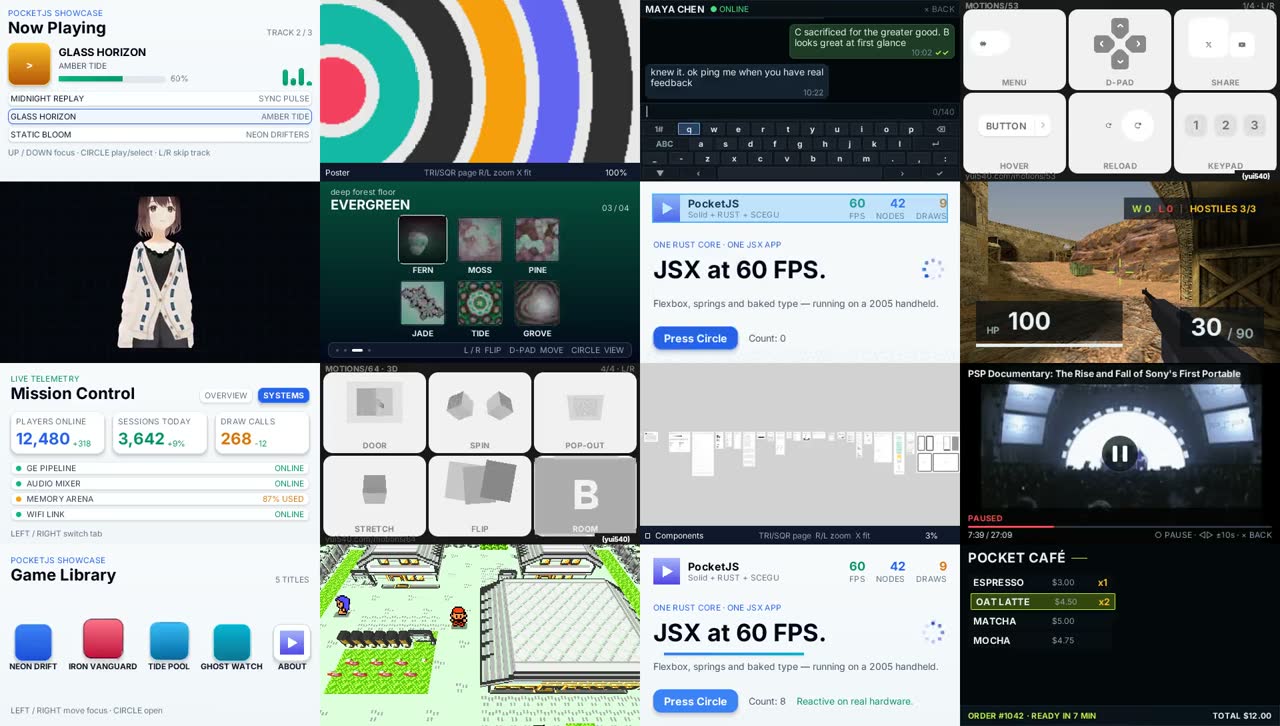
Every exhibit runs today's Pocket stack on the original hardware — as a live JavaScript guest or a compiled cartridge — and every port ships with an engineering story. The museum is how the runtime keeps its portability honest.
- machines in the collection
- 14
- registered Guest targets
- 5
- Pocket Vapor targets
- 5
- years of hardware
- 1983–2025
The collection
oldest machine first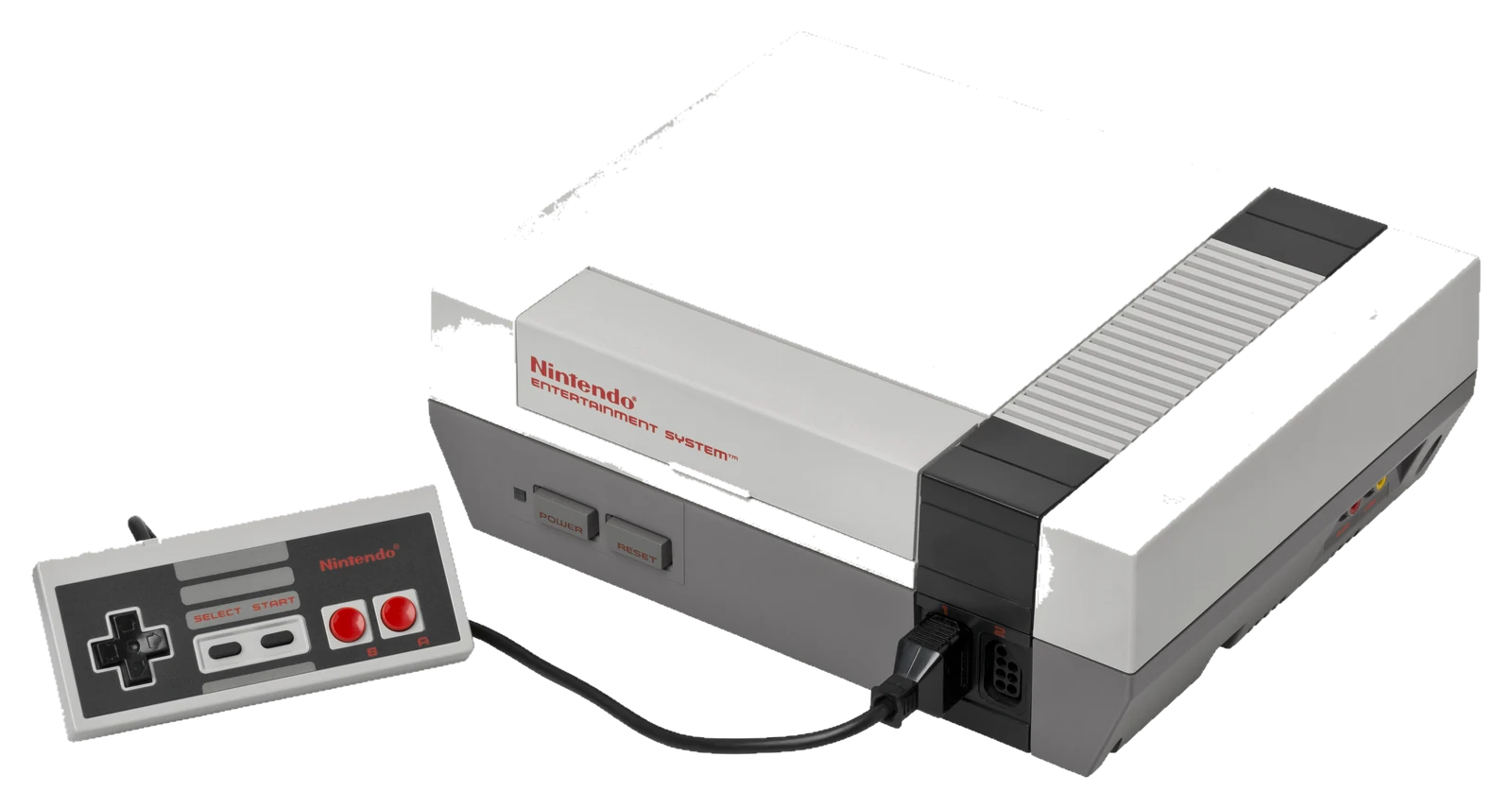 1983AOT
NES
A 6502, 2 KB of RAM, and a reactive Vue program in a 40 KB cartridge.
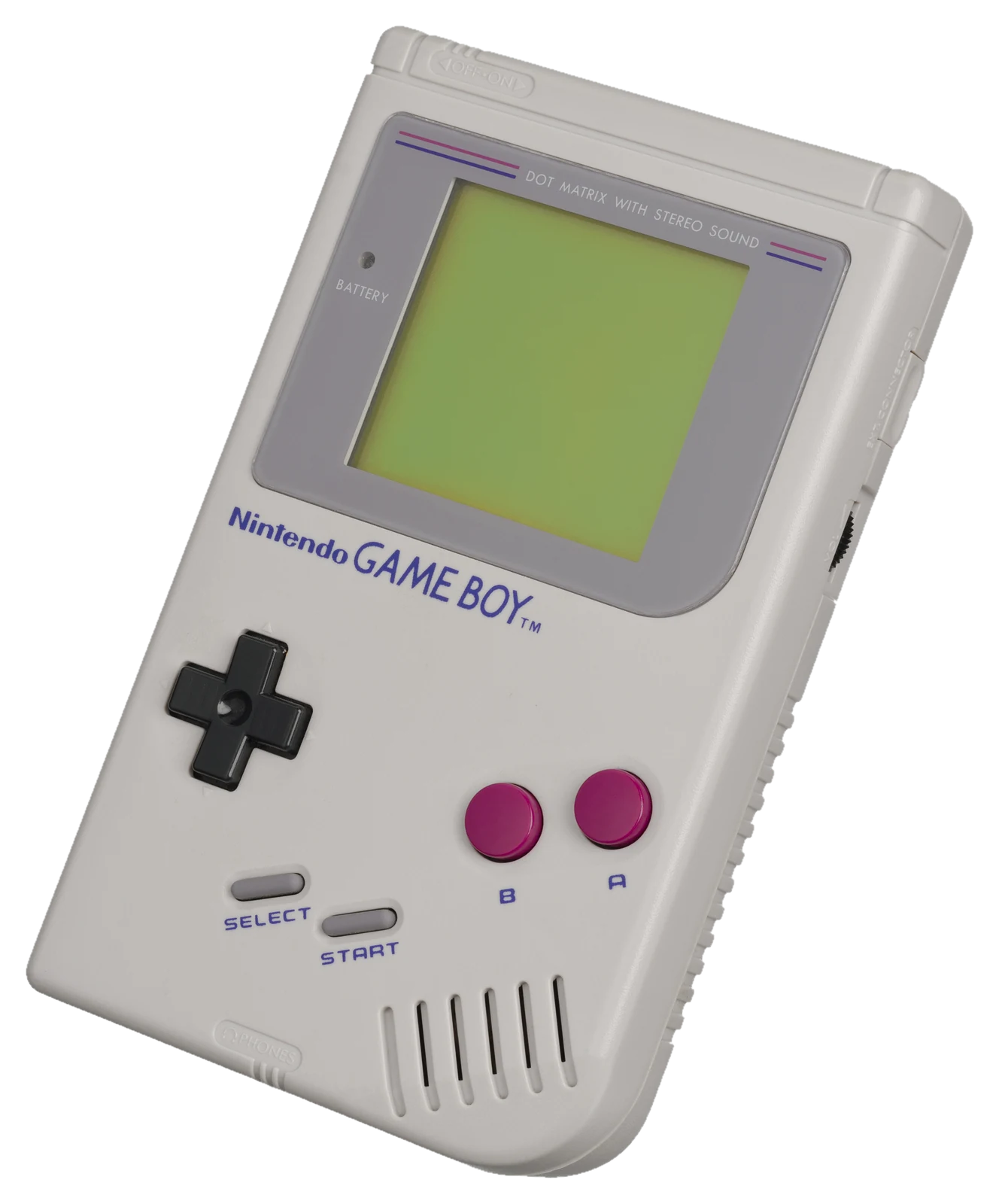 1989AOT
Game Boy
Reactive Vue on an 8-bit SM83 at 4 MHz, in a 32 KB cart.
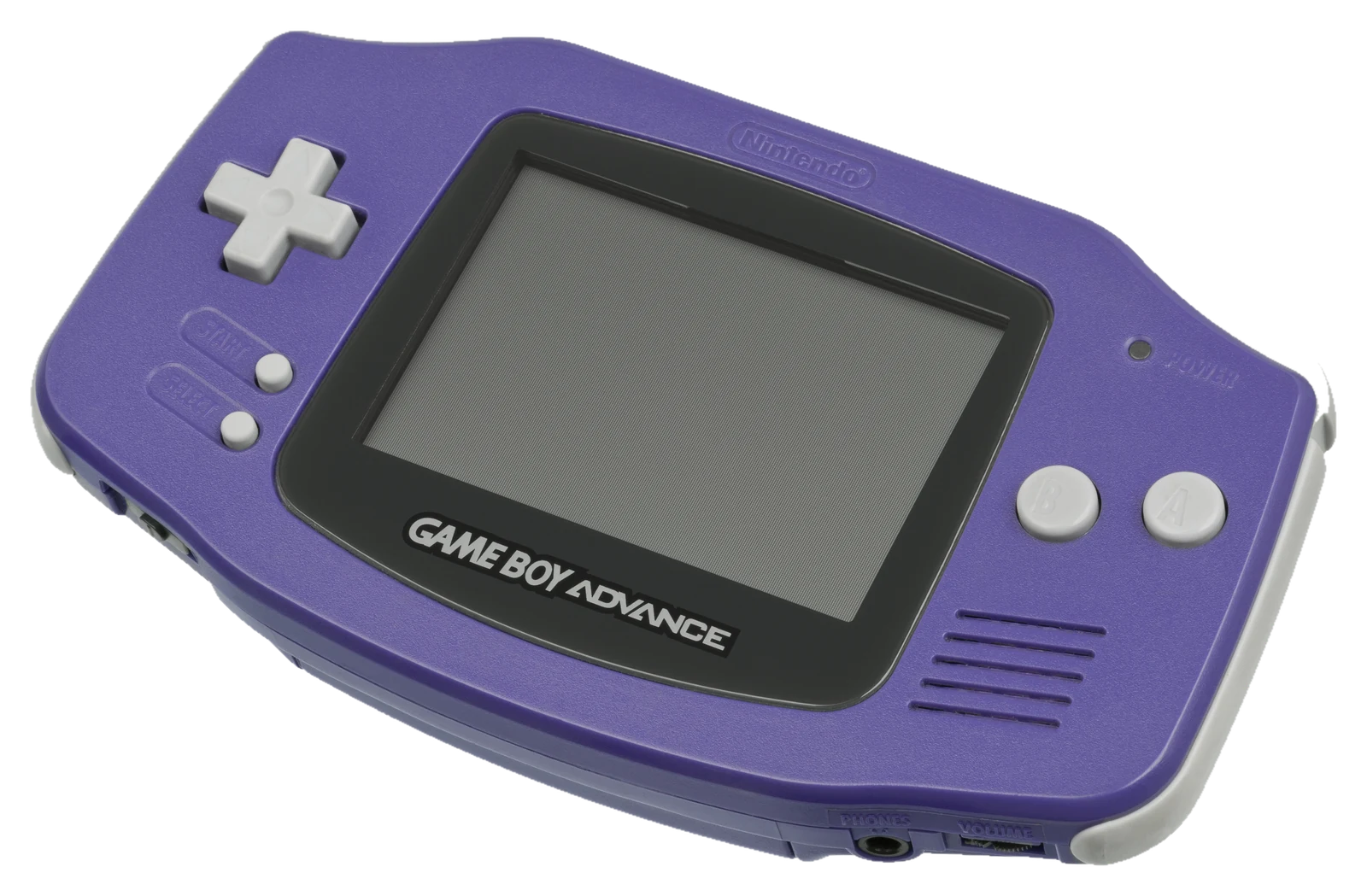 2001AOT
Game Boy Advance
A Vue component compiled to a 9.1 KB cartridge. No JavaScript engine on board.
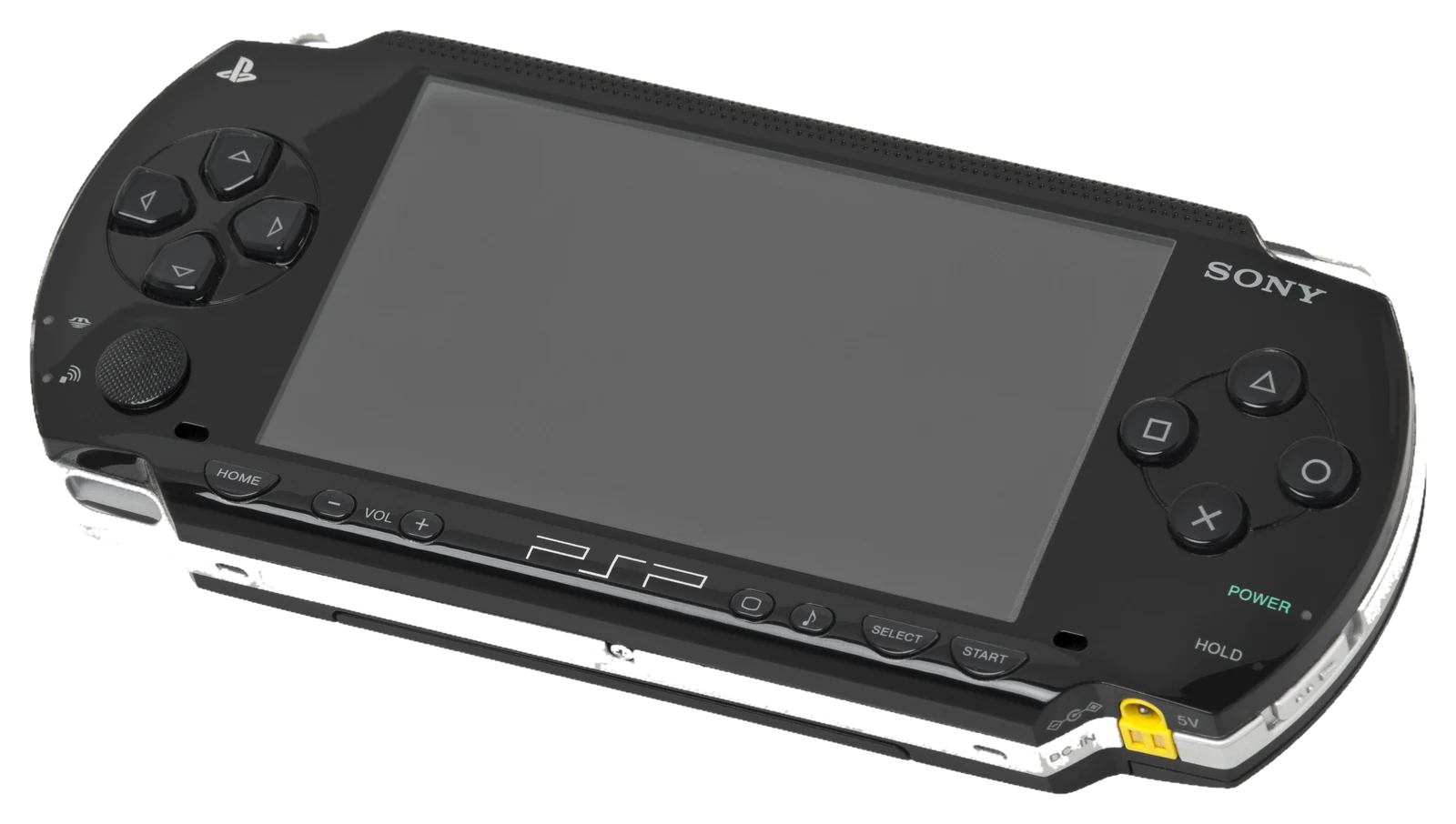 2004Guest
Sony PSP
The founding machine. Games, YouTube, Figma and DevTools at a locked 60 fps.
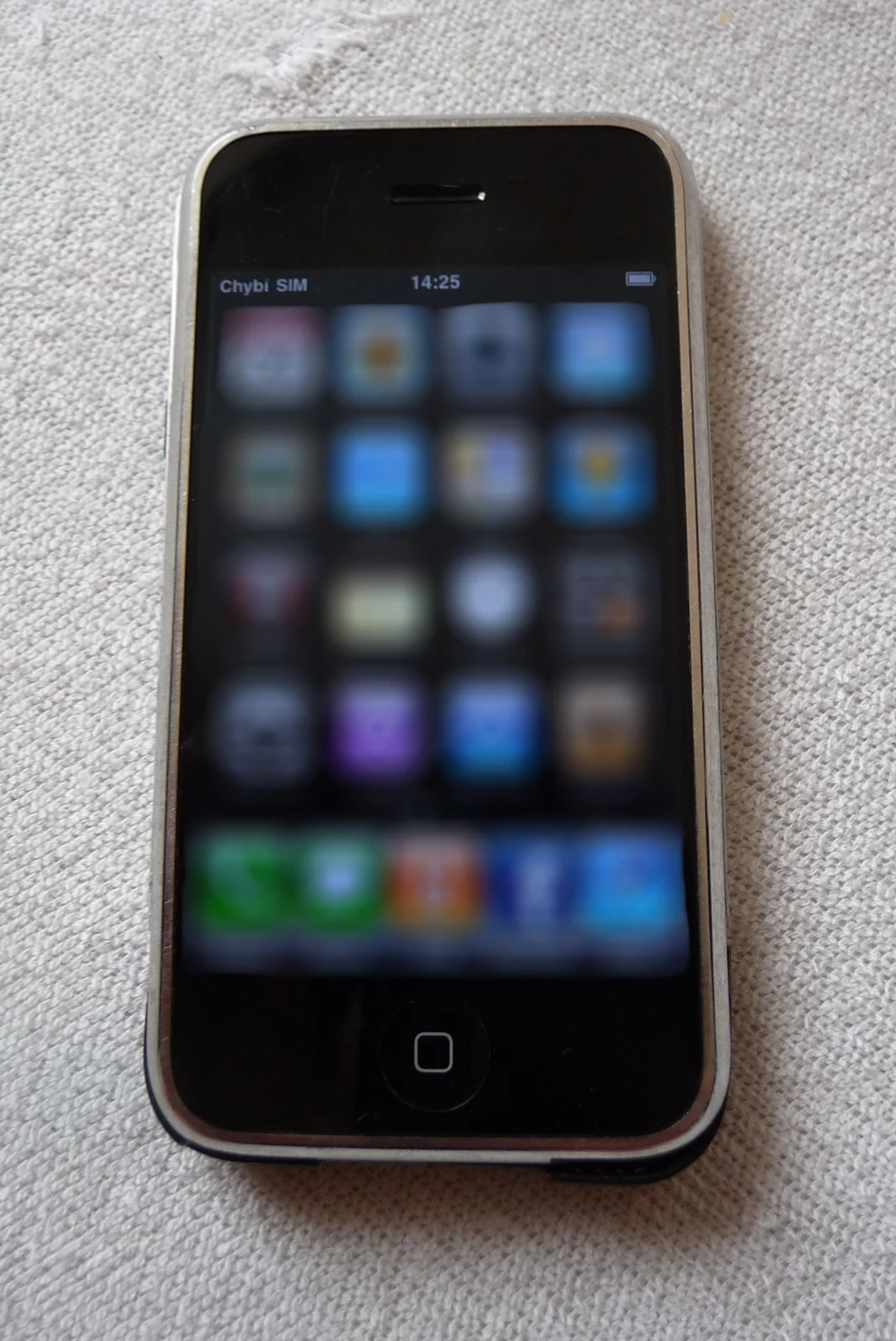 2007Guest
iPhone 2G
A UIKit host with no Objective-C. Zero shaders on the MBX Lite. 59.99 fps.
 2009Guest
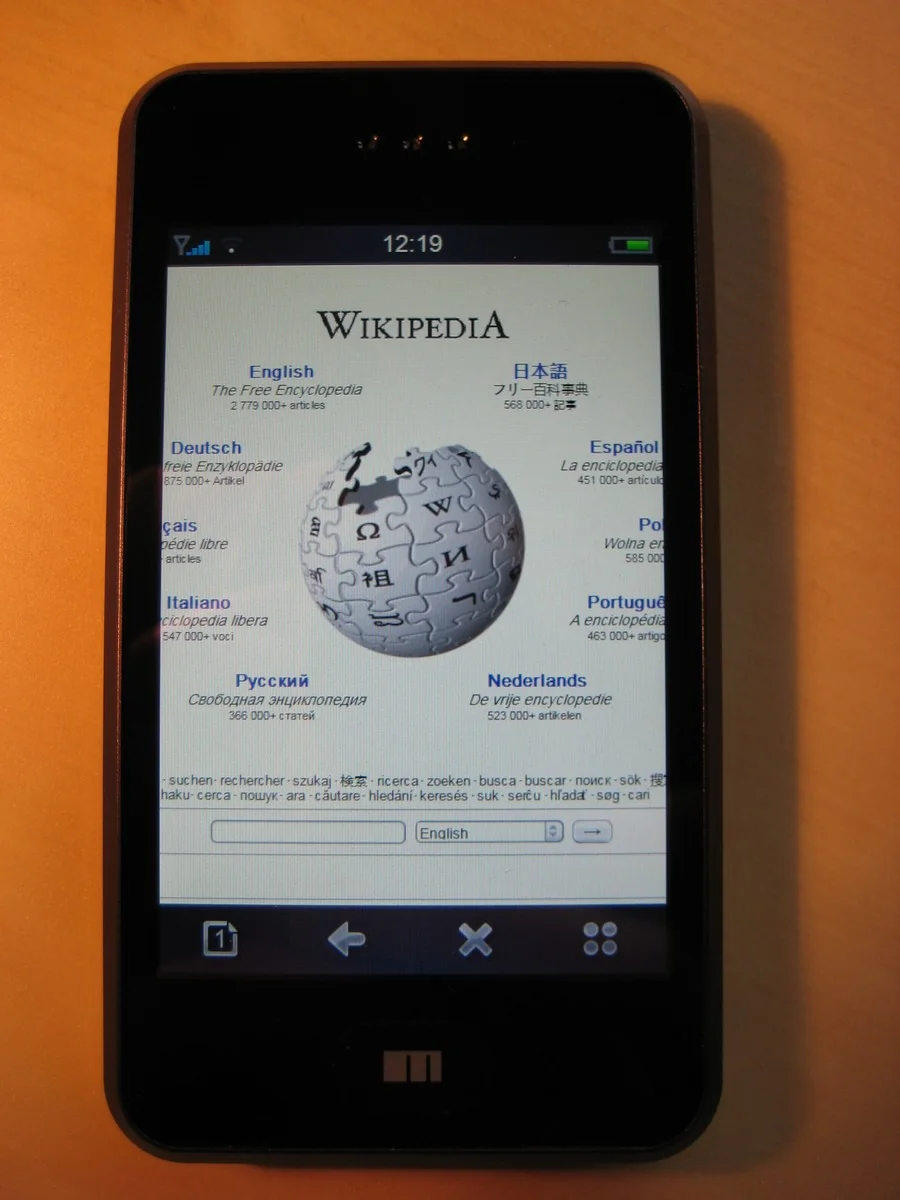
Meizu M8
From message pump to multitouch on Windows CE. A 480×720 BGRA framebuffer over GDI.
 2011Guest
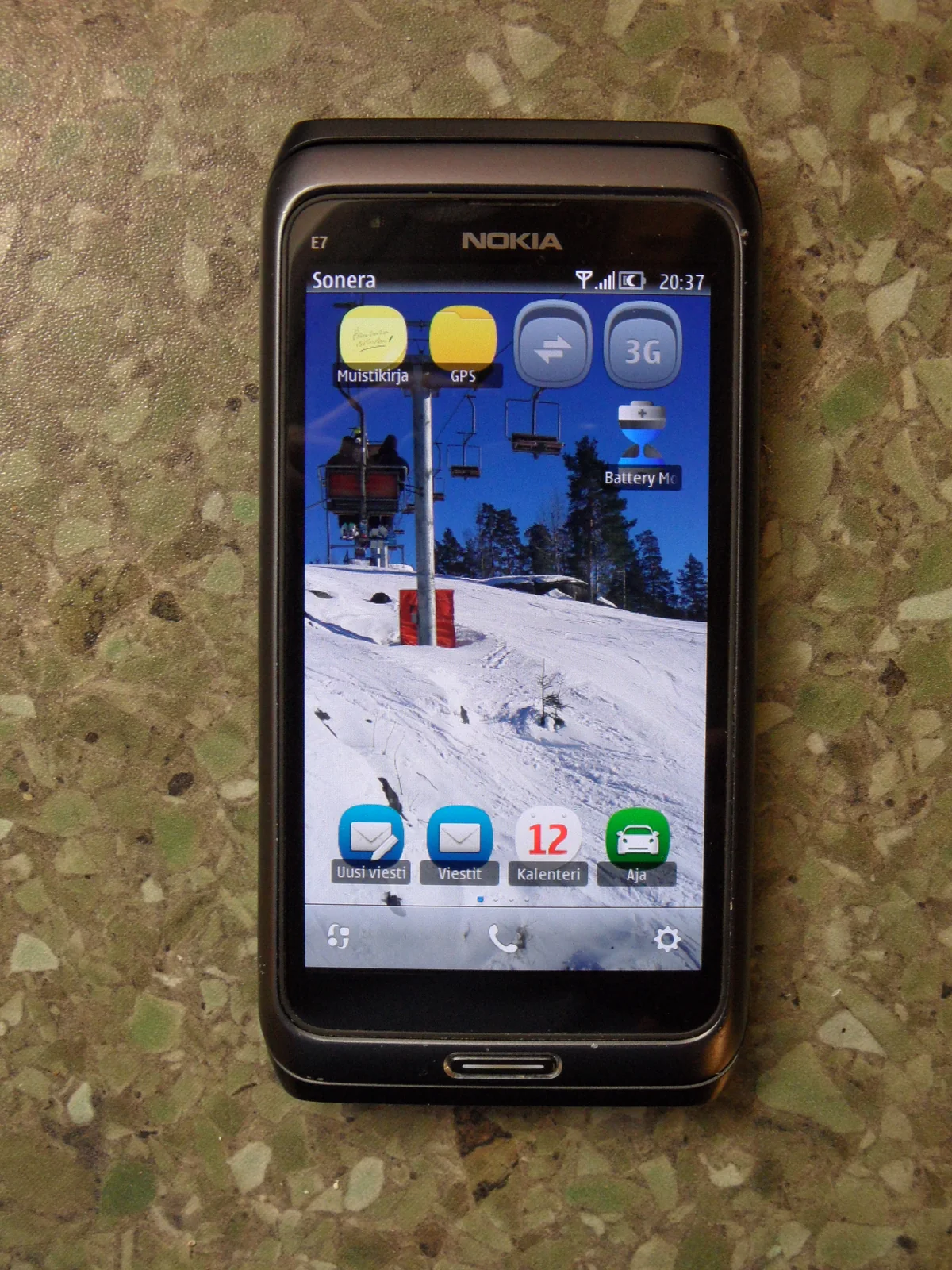
Nokia E7
Cover-flow launcher and a 3D FPS on Symbian Belle. The first phone family.
 2011Guest
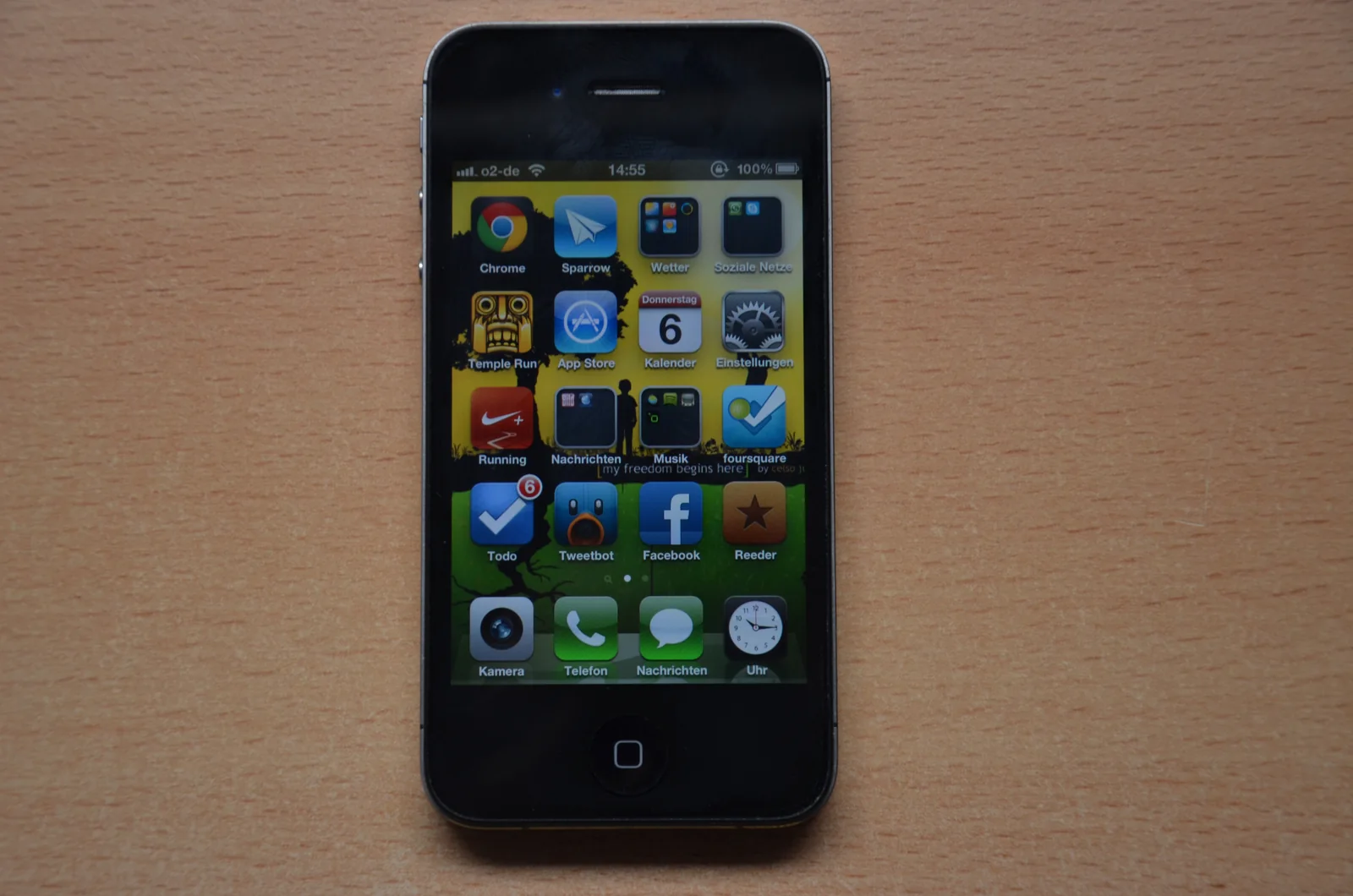
iPhone 4S
The retained UI through OpenGL ES 1.1 at Retina density, on iOS 6.1.3.
 2011Guest
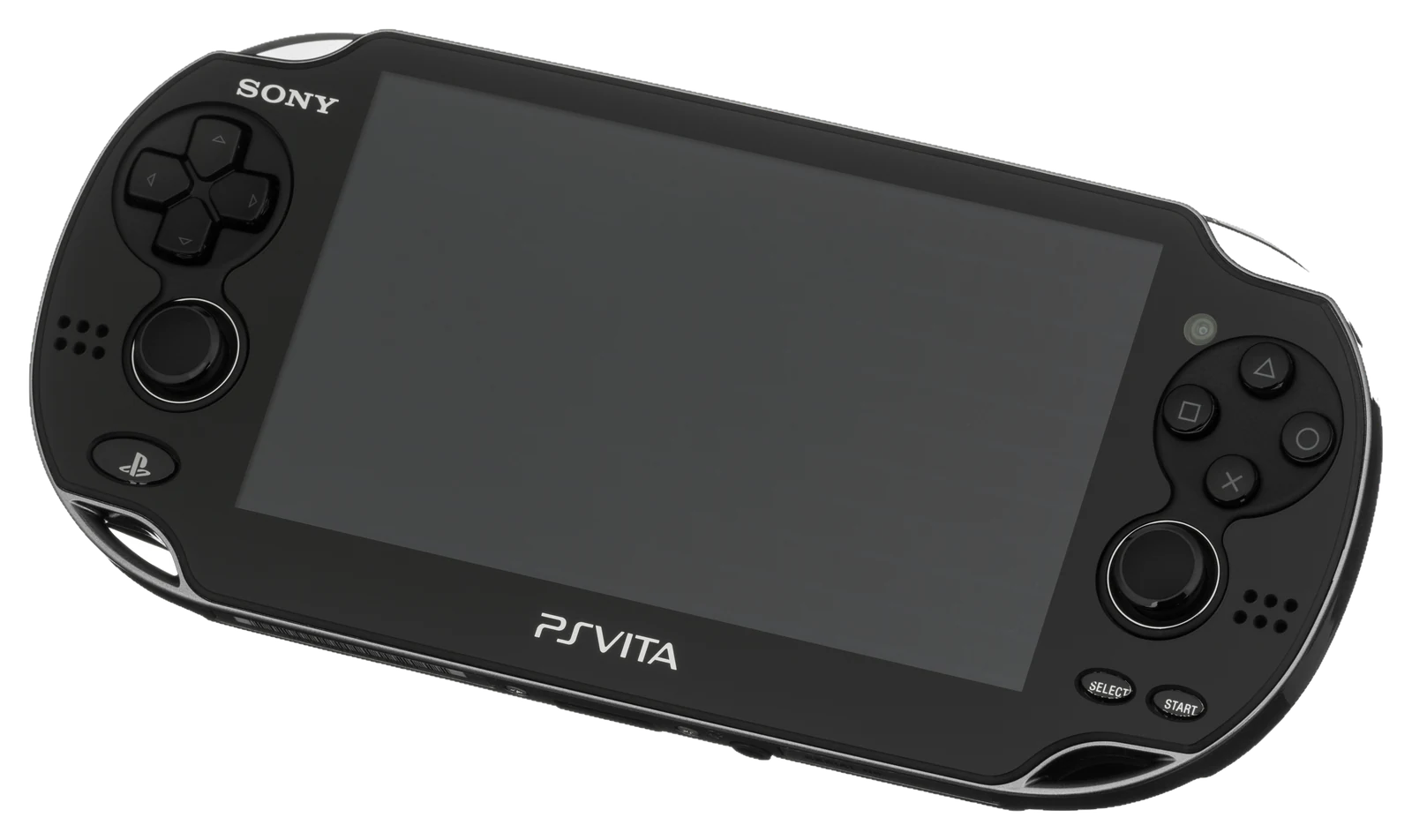
PS Vita
Twice the pixels, zero forks. The same bundles, byte-exact goldens at density 2.
 2015Guest
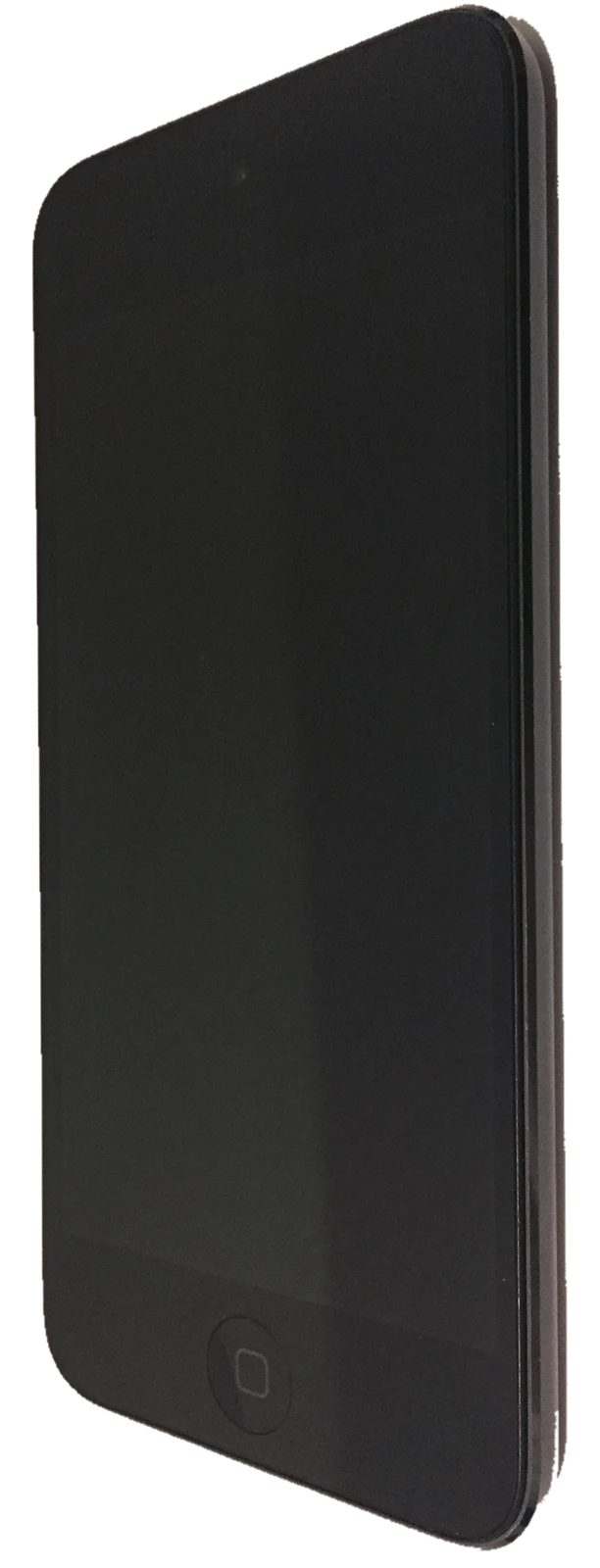
iPod touch 6
A transactional native host on a 320×568 surface, 60 Hz from a run-loop timer.
 2019AOT
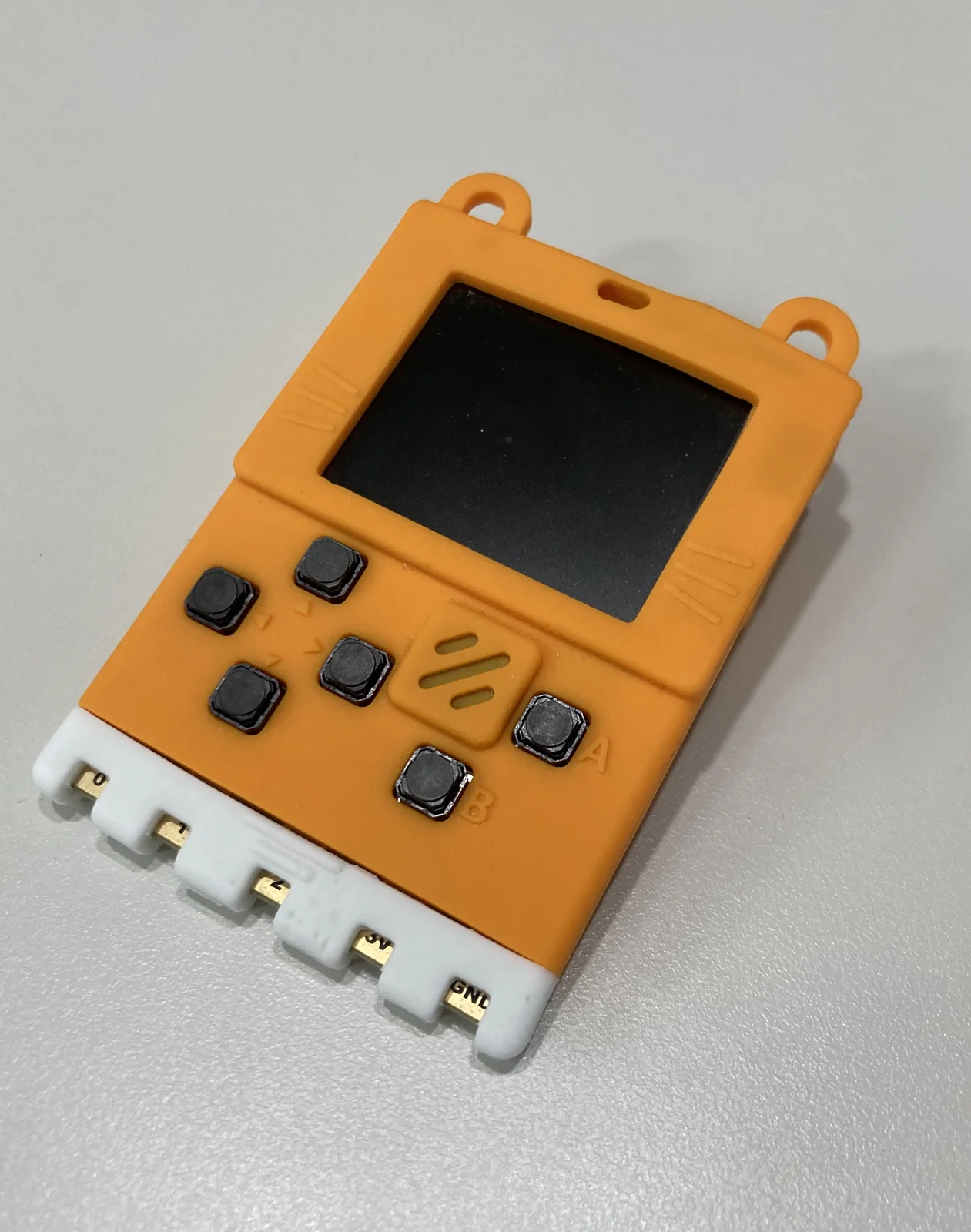
ESP32 MeowBit
The fourth Pocket Vapor target, verified on the physical board over UART.
 2022AOT
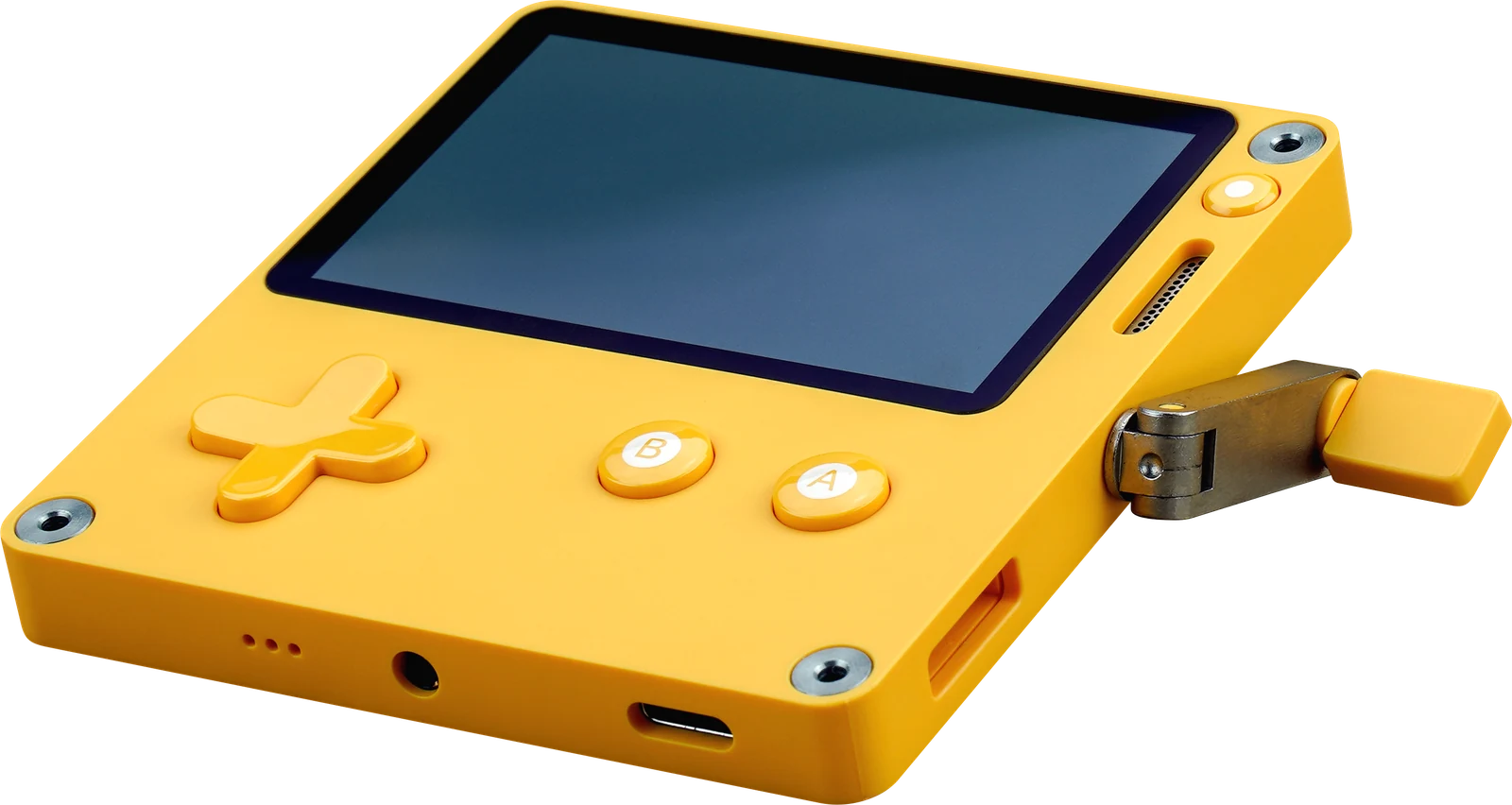
Playdate
The crank as a hardware-neutral relative axis. The fifth Pocket Vapor target.
 2023Guest
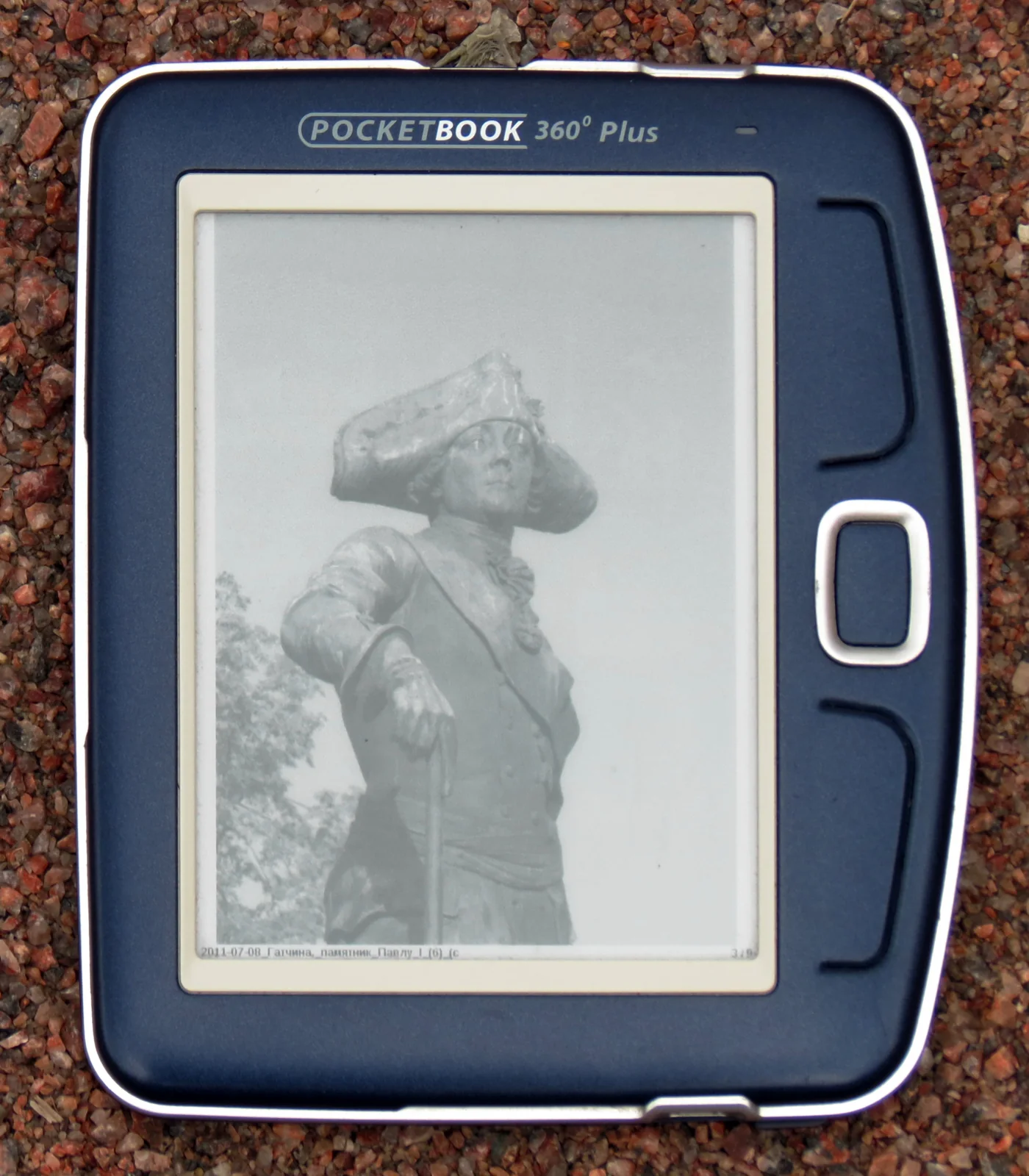
PocketBook
Animated partial refresh on a screen that loves stillness. The first e-ink surface.
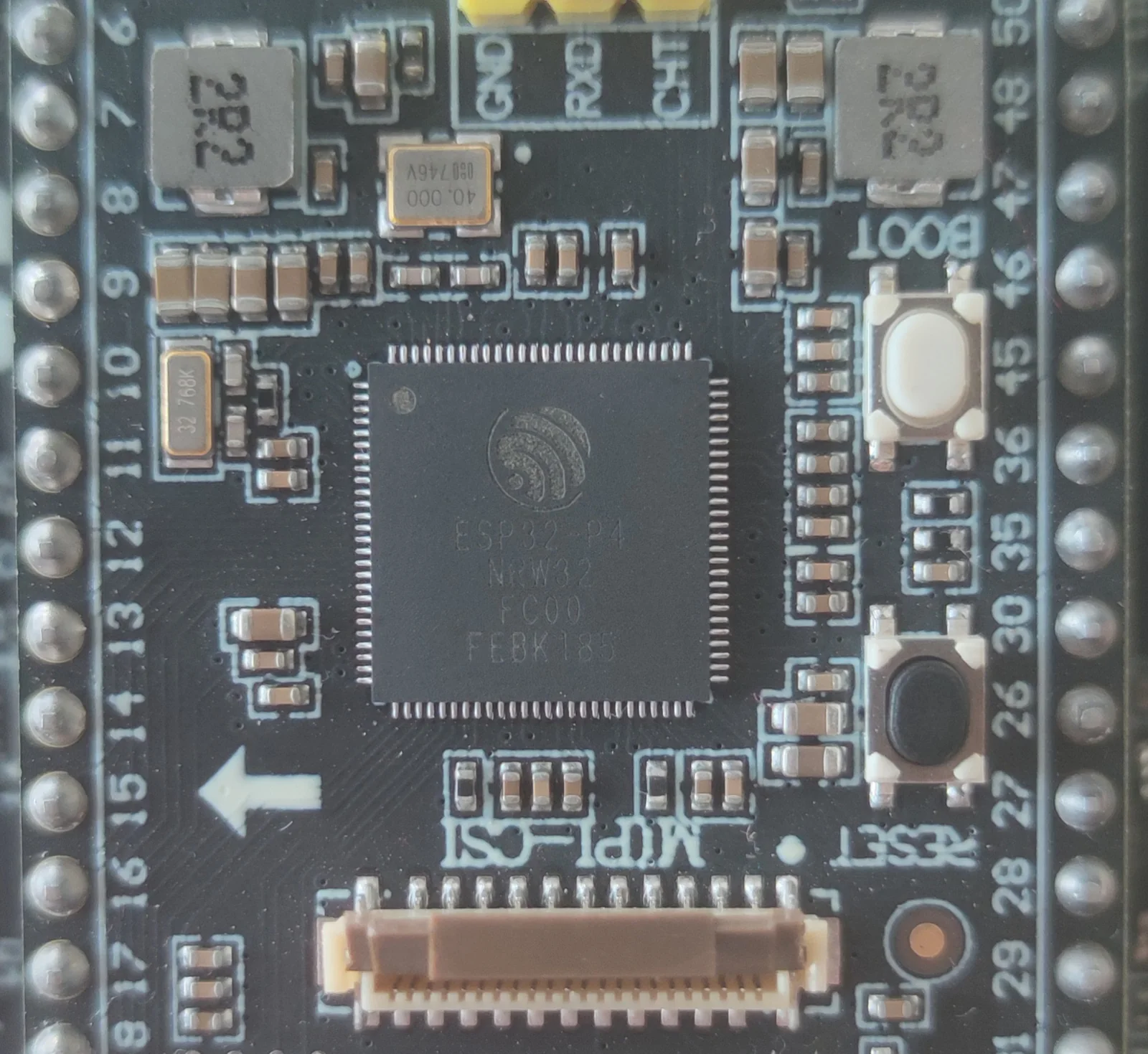 2025Native
ESP32-P4
Rendered by damage: an RGB565 raster path and a PPA hardware backend at 1280×720. QuickJS in 304 KB.
The workbench
not exhibits — the bench they were built onDevelopment and verification hosts. They are where the goldens run, where new modules land first, and where the desktop form factors live. Listed for completeness; none of them is a museum piece.